Pelican Cove students help bring a kelp forest back to the coast
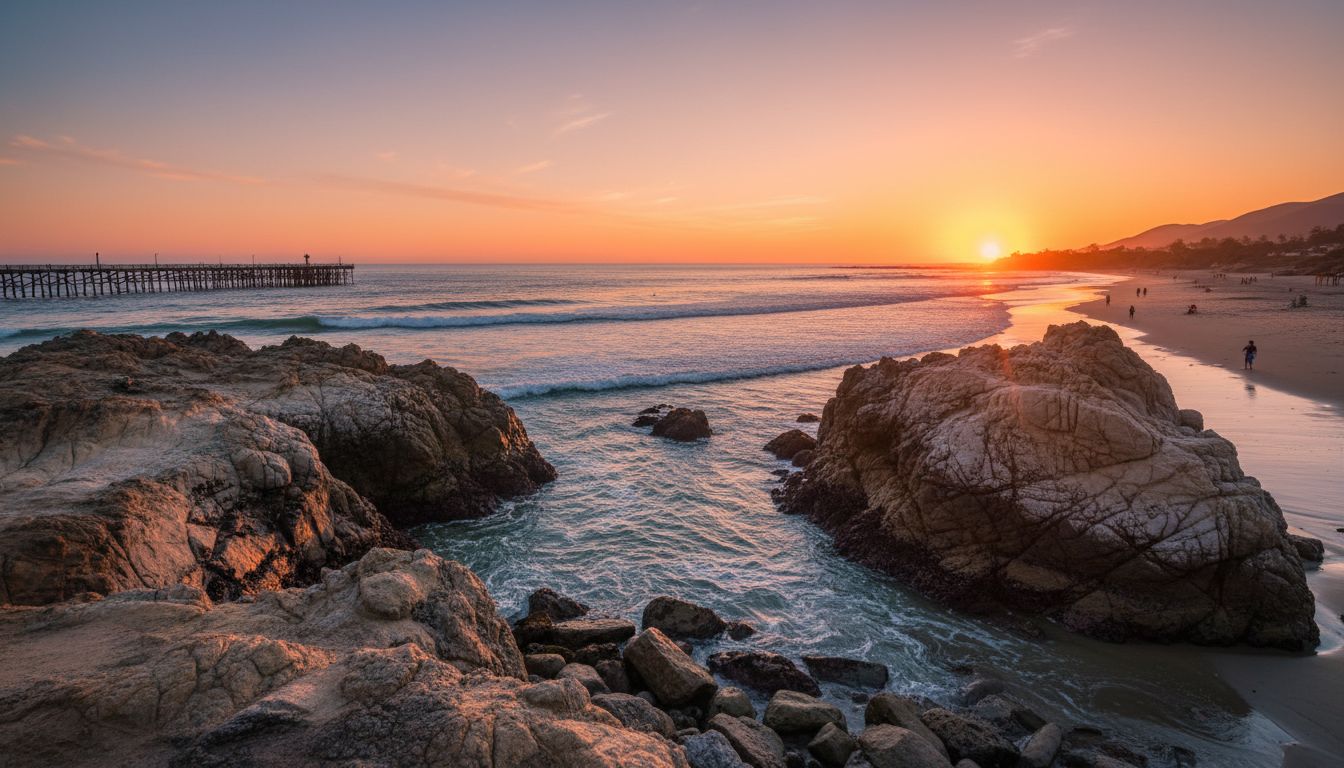
The town of Pelican Cove is bringing back its kelp forest, with the help of one hundred and twenty high school students. The first full year of work ended this week. Divers report that kelp now covers an area as big as six football fields.
The forest nearly vanished in twenty twenty-one. Warm water and too many sea urchins ate the young plants. Within two years, the dark green forest turned into bare rock. Fish left, and so did many of the visitors. Fishing boats lost their best fishing spots. Divers stopped coming. The town of three thousand people felt the loss.
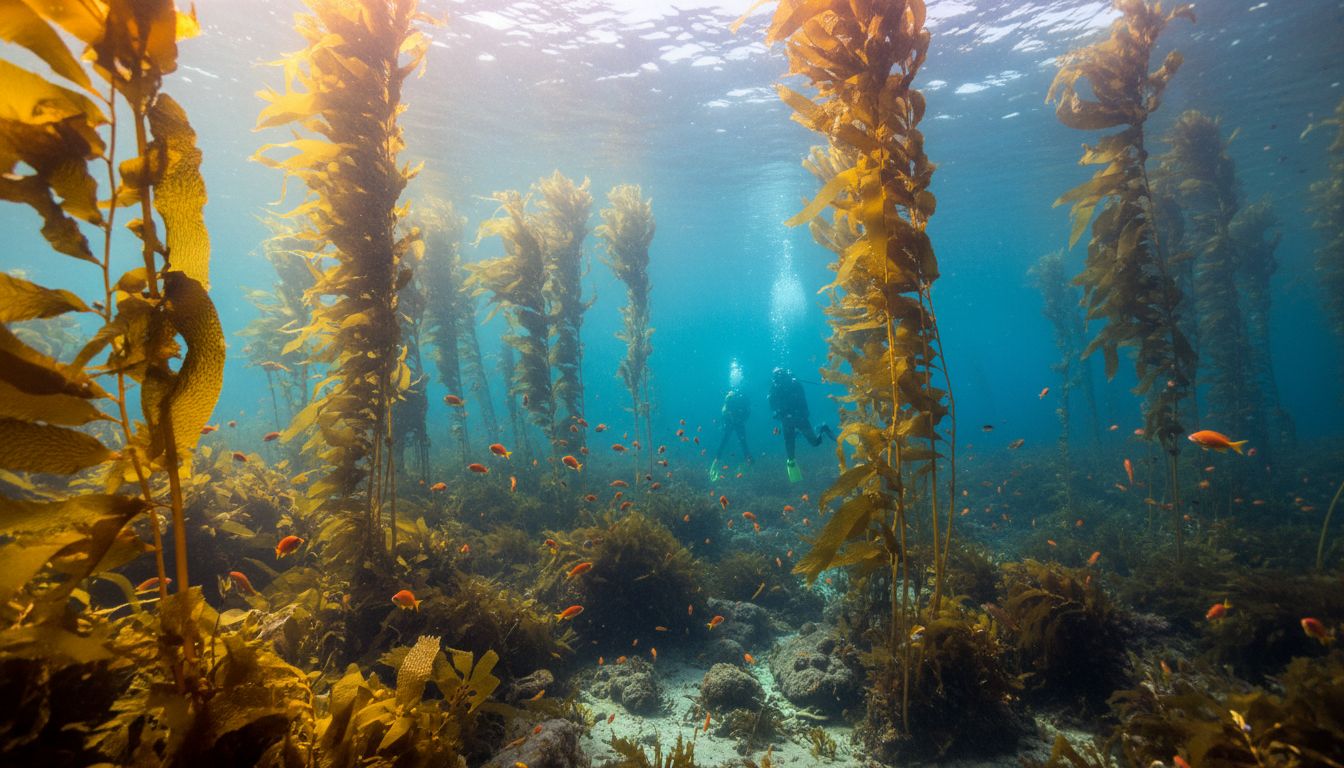
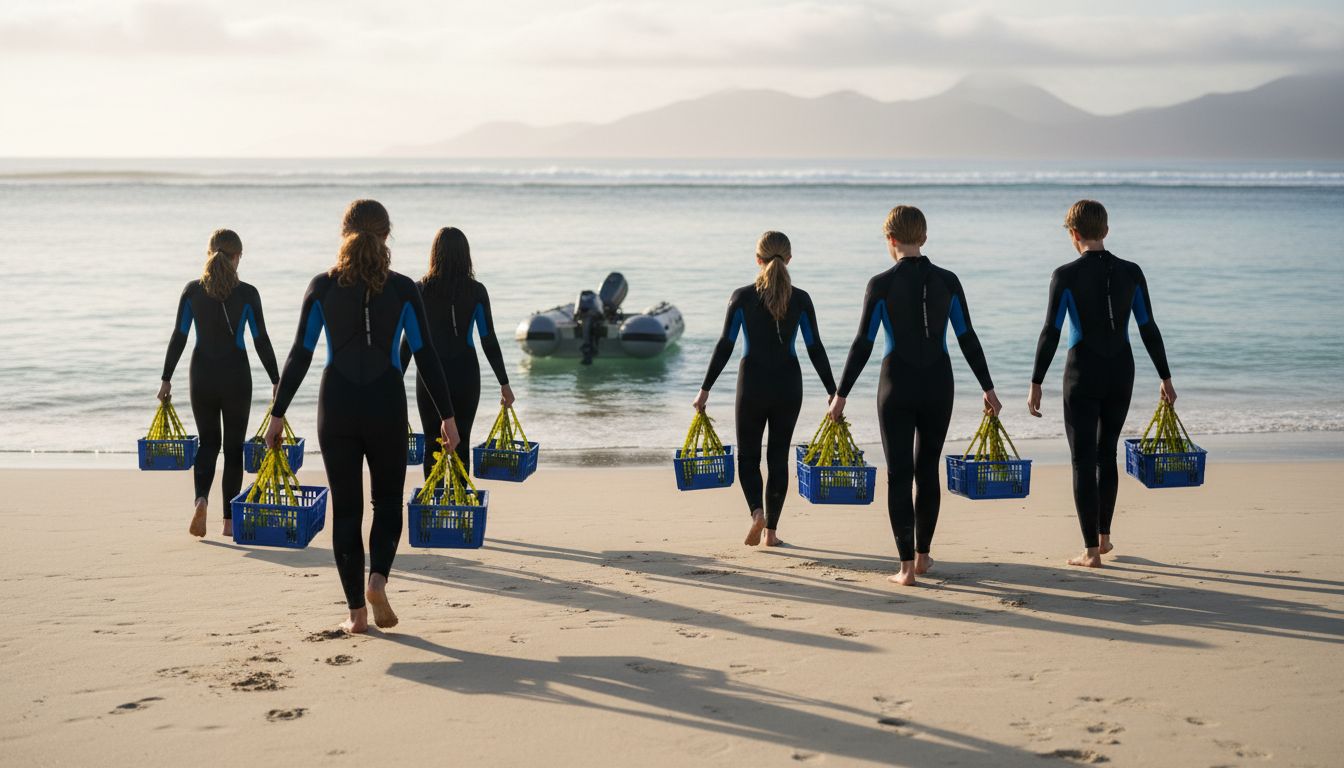
In the spring of twenty twenty-five, a teacher named Maria asked her science class to help. Students raised young kelp in tanks at the school. Each month they carried the plants to a boat. Volunteer divers then tied the plants to the rocks. Each plant is checked again two weeks later. Most of them survive, and the divers are proud.
Students also remove sea urchins from the rocks. They count fish each Friday and write the numbers in a shared log. So far they have counted more than forty kinds of fish. That is twice as many as last year. Seals and sea otters have also come back to the cove, which makes the whole town smile.
“The first time I saw the kelp move in the water, I forgot to breathe.” — Ava, a volunteer diver
"I never thought a school class could change the ocean," said Jordan, a student in the eleventh grade. "Now I check the water every weekend, even when I do not have to." Local restaurants have started to serve seaweed from a small farm next to the plantings.
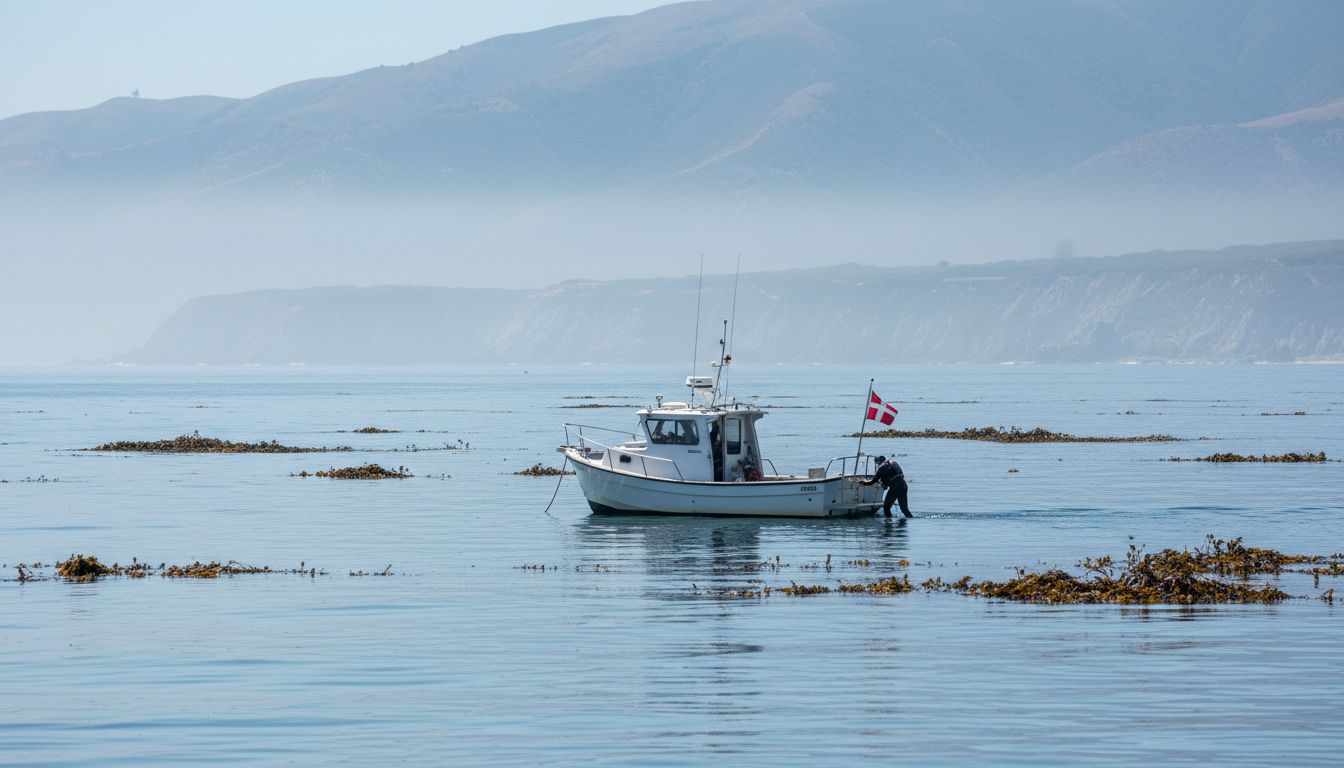
The town plans to double the plantings by next summer. A local fishing family will lend a second boat. A small shop on the pier will teach visitors how to snorkel above the kelp. Organisers say the work will take at least ten years. "The forest grows slowly," said Maria. "So do good habits."
This is a sample article written for Bannerbear demos. The story is fictional.