Wattle Creek cuts power bills with a battery owned by the town
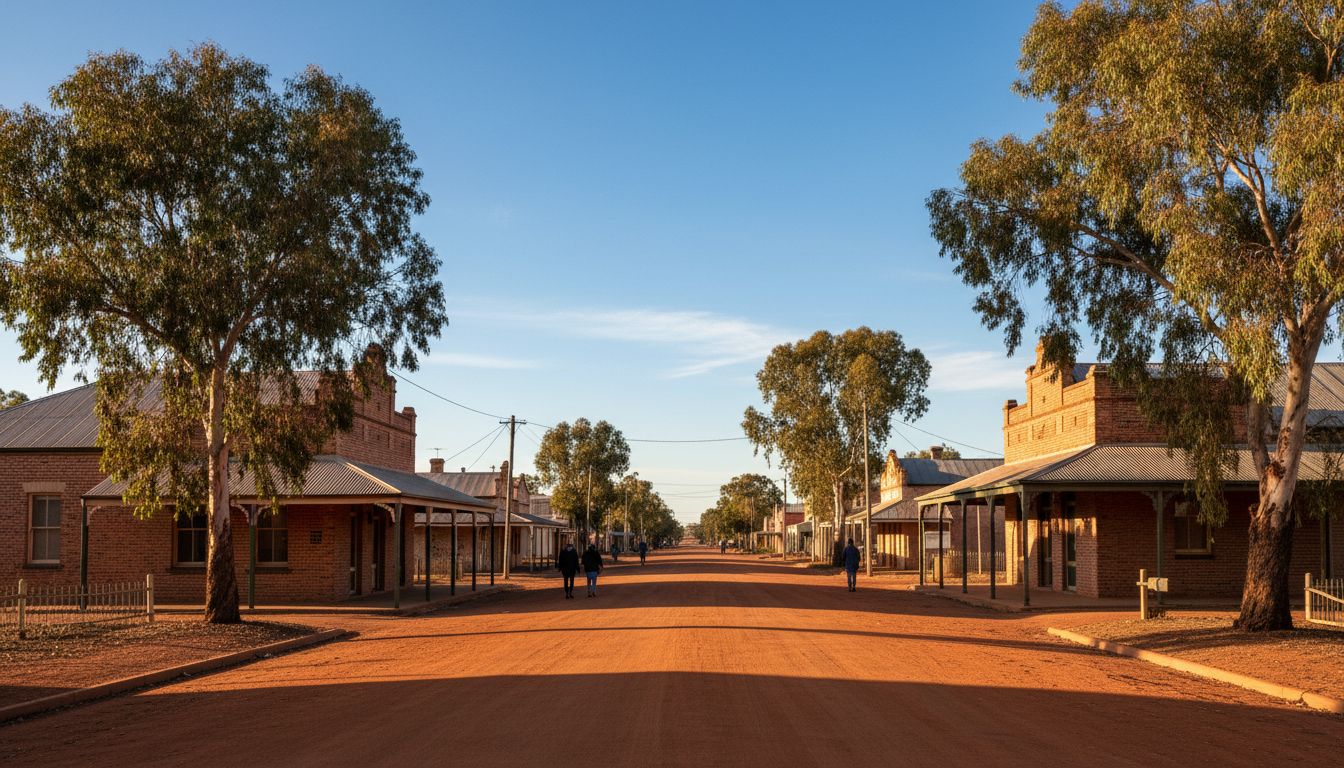
The country town of Wattle Creek has switched on a community battery, and its power bills are falling. The battery was turned on in March. Since then, the average home has saved about nine dollars a month.
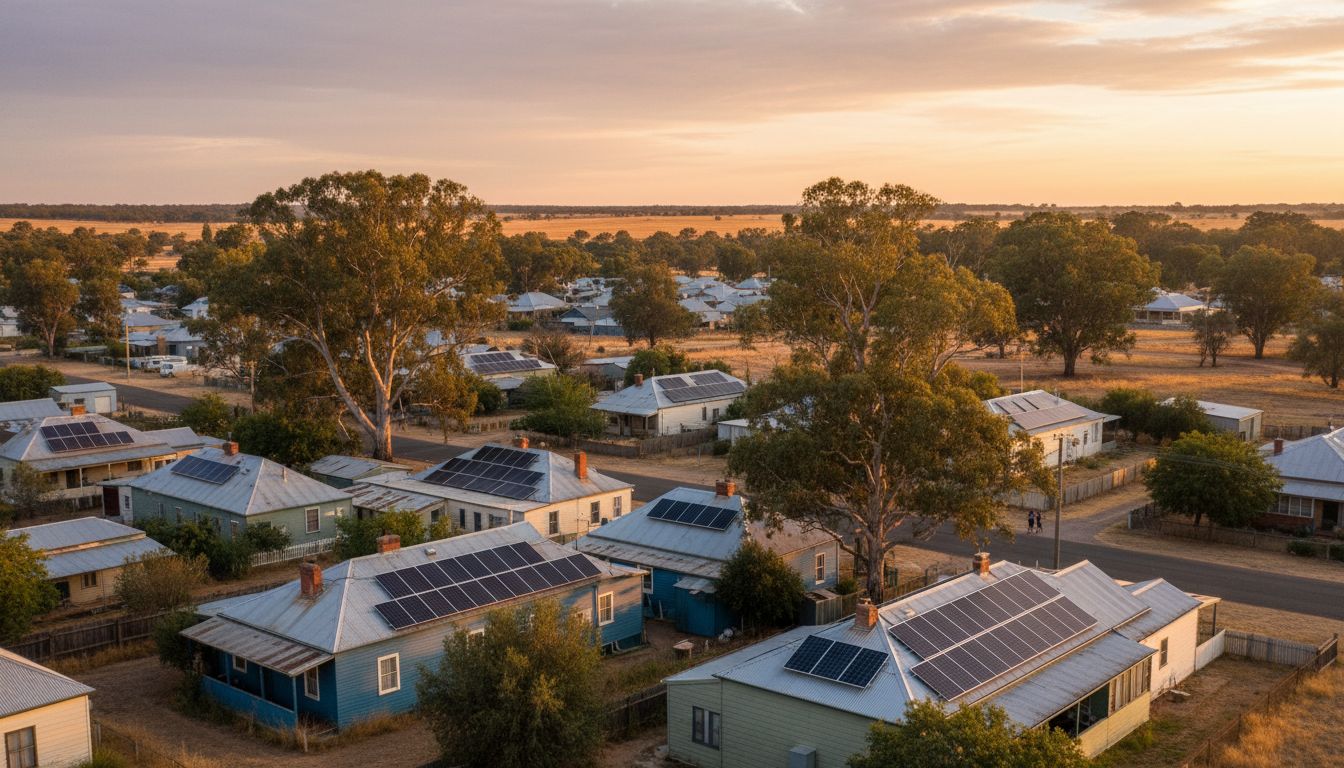
The town has four hundred homes, and about two hundred have solar panels. In the past, extra power from the roofs went to the grid for very little money. Many people felt that this was unfair. It was a long-running topic at the town hall. At night, residents paid full price to buy it back.
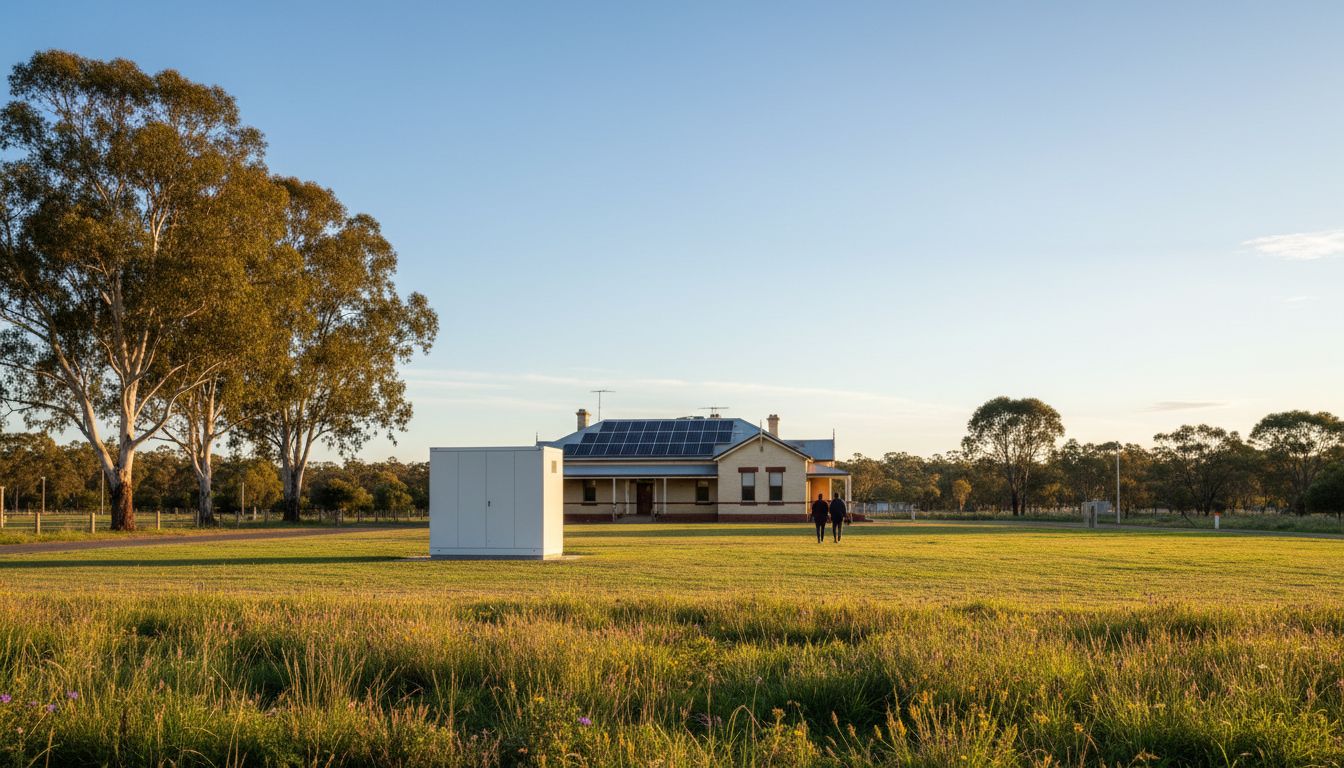
The new battery fixes that. It can hold enough power for fifty homes through the evening. Panels fill it during the day, and homes draw from it after sunset. A small screen at the hall shows how full it is. Children like to check it on the way home from school. Members share the savings, even if they have no panels of their own.
A local group raised the money. The state gave half, and the rest came from sixty families who bought shares for two hundred dollars each. A farmer named Bill lent a patch of land beside the hall. Local electricians fitted the unit in four days. The whole town came to watch the last day of work, and the school brought a cake.
“The best part is the sunset. The lights come on, and we know the power is ours.” — Tom, a resident
"I do not have solar panels," said Karen, who runs the bakery on the main street. "But my bill is lower, and my ovens keep running in a heatwave." The battery also keeps the town hall lights on if a storm cuts the power. The hall now serves as a safe place during bad weather.
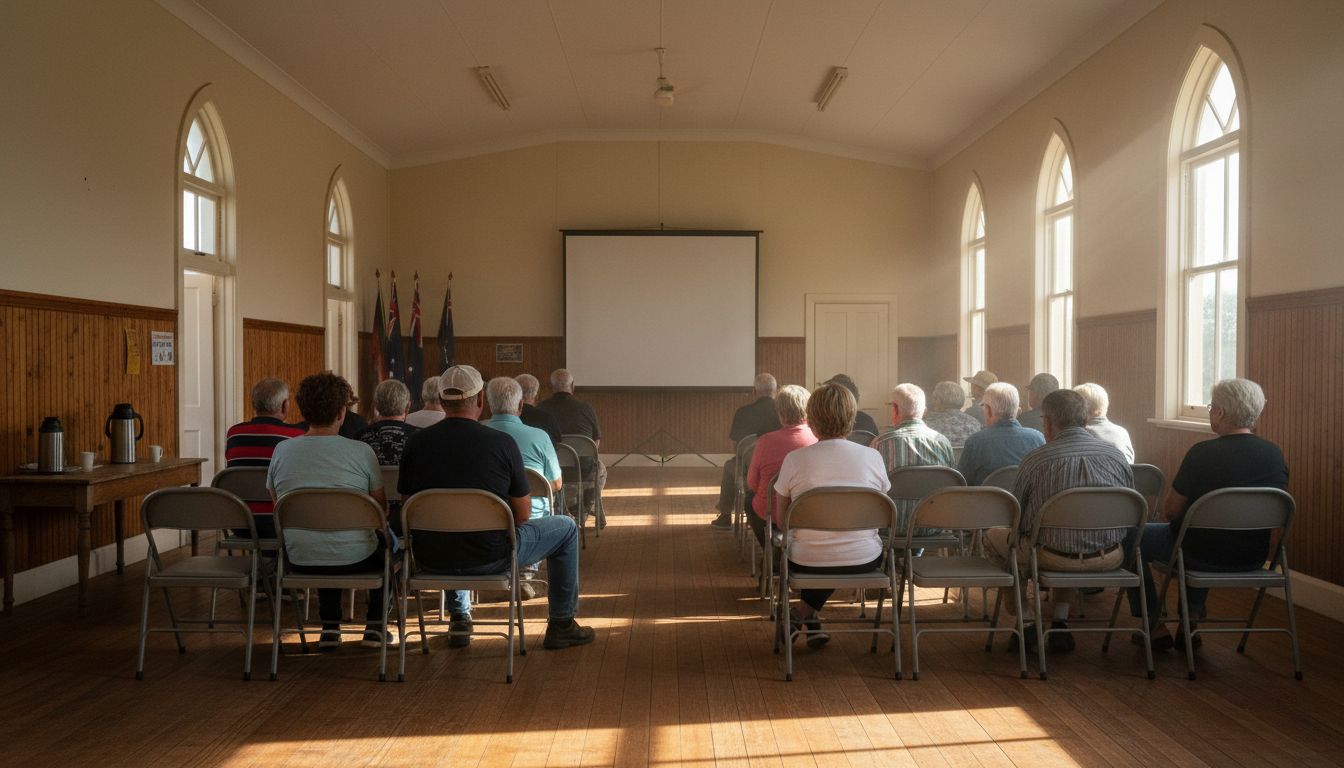
The group wants to add a second battery by next winter. Two nearby towns have asked how it works. A short guide will be ready in September. "Everyone thought it was too small to matter," said Bill. "Now we hold monthly meetings, and people argue about how much sun we got."
This is a sample article written for Bannerbear demos. The story is fictional.